Enhancing dengue virus surveillance and control with new rapid tests
| 17 August, 2023 | Joanne Macdonald, Nina Pollak and Madeeha Ahmed |
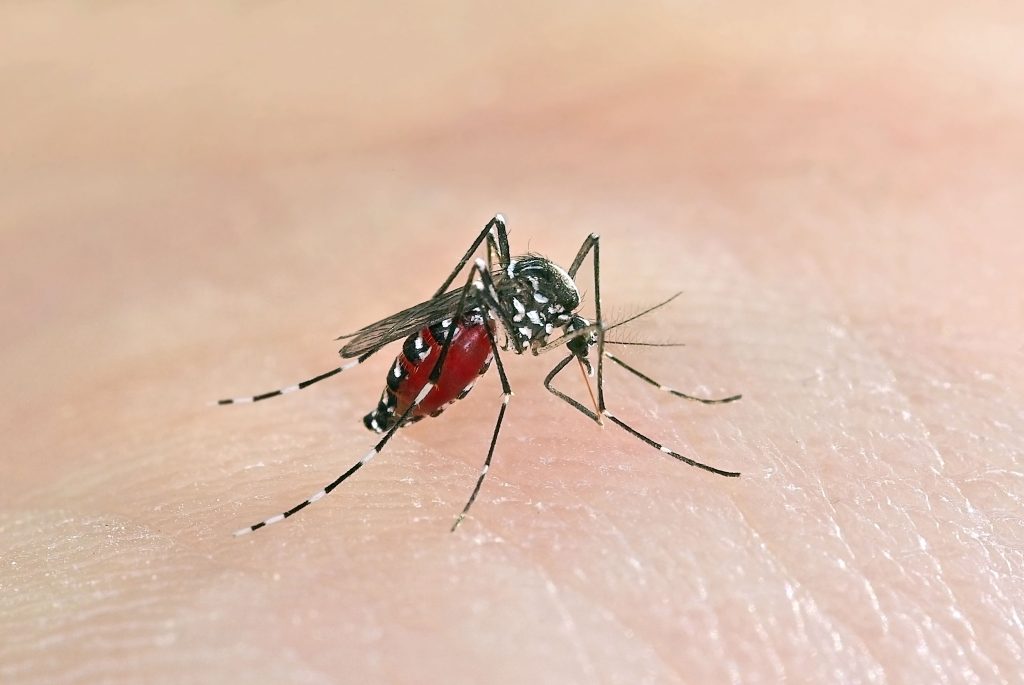
In this blog post, Gates Open Research speaks to co-authors Dr Joanne MacDonald, Dr Nina Pollak, and Dr Madeeha Ahmed about their Method Article, which explores new rapid tests for detecting the four dengue viruses in infected mosquitoes.
First, let’s meet the authors
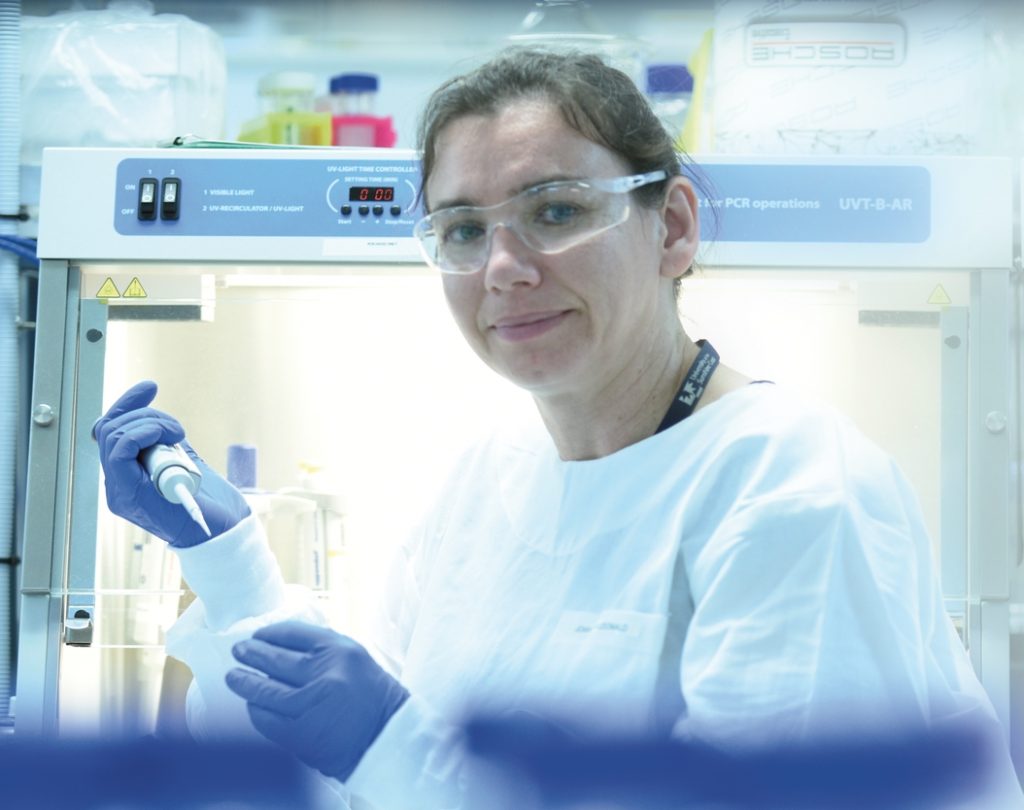
Dr. Joanne Macdonald is an Associate Professor of Molecular Engineering at the University of the Sunshine Coast (UniSC). She has developed novel diagnostic technology for rapid and accurate detection of disease, and founded a biotechnology company, BioCifer, to manufacture some of these components for implementation. Her research interests involve applying molecular engineering and synthetic biology towards reducing the burden of human and animal disease, to foster thriving and sustainable communities.

Dr. Nina Pollak, a Senior Research Scientist at the University of the Sunshine Coast, specializes in developing rapid and accurate diagnostic tools for virus detection, paving the way for more effective responses to infectious diseases. Her expertise includes novel multiplex diagnostic technology, applied to arboviral detection, demonstrating her dedication to combating emerging viral threats. Dr. Pollak’s research vision aims to inspire the next generation of scientists, foster collaborative scientific communities, and drive transformative advancements in biotechnology for healthier environments.

Dr. Madeeha Ahmed is a dedicated researcher with a passion for developing innovative solutions to combat infectious diseases. Her work focuses on devising cutting-edge methods for early detection and diagnosis of infectious diseases. She is currently employed at BioCifer Pty. Ltd., where she plays a crucial role in advancing the development of rapid diagnostics. Dr. Ahmed continues to advance alternative diagnostic tools with the goal of improving the accessibility of mosquito-based surveillance in resource-limited settings.
How did this project come to fruition?
Our project originated from a grant provided by the Gates Foundation to develop rapid tests for detecting dengue viruses, malaria parasites, and Wolbachia bacteria in mosquitoes. Our main goal was to create a test sensitive enough to identify infections in mosquitoes that had been in traps outdoors for at least a week. Moreover, we aimed for an accuracy rate of over 95% without relying on specialized equipment.
During the early stages of the Gates Foundation project, we made promising progress. We developed a method that simplified preparing mosquito samples, enabling sensitive detection of pathogens by detecting their genetic material. However, when we applied this method to dengue viruses, it didn’t yield the expected results.
Through ongoing discussions with stakeholders, we came to realize the severity of the dengue problem. It’s one of the fastest-spreading mosquito-borne diseases, particularly affecting regions with limited resources. Additionally, the coexistence of different dengue virus types in these areas contributes to the emergence of severe cases.
The addition of Dr. Nina Pollak and Dr. Madeeha Ahmed to our team, funded respectively by the DMTC Medical Countermeasures Program and a UniSC PhD scholarship, provided us with the resources for a fresh attempt. The involvement of Health Security Systems Australia, a division of DMTC, reinforced the benefit of this research to both military and public health, and led to the team winning an award at the 2022 Land Forces conference and exhibition in Brisbane, Australia.
Our primary objective became to develop rapid, accurate tests to identify each of the four dengue virus types in mosquitoes. Our aim was to offer an affordable and straightforward solution, providing alternative disease surveillance strategies suitable for low-resource environments.
Can you describe the new methods? How do these differ from previous methods?
Our innovative method introduces a unique approach to sample preparation, setting it apart from conventional techniques.
In contrast to traditional genetic testing methods that involve complex purification steps and specialized equipment, our process employs a novel TNA-Cifer reagent. This simplifies sample preparation, requiring only 10 minutes, and enhances safety by inactivating dengue viruses.
This streamlined sample preparation forms the basis for a swift and highly effective detection process. We integrate our inventive sample preparation method with a rapid and resource-efficient amplification step, Recombinase Polymerase Amplification (RPA). This approach utilizes a heating block and a 20-minute incubation to achieve rapid genetic material amplification. It eliminates the need for costly and time-consuming PCR machines while maintaining a high level of sensitivity.
Enhancing the rapid sample preparation and amplification is the inclusion of a simple lateral flow detection system, akin to those used in pregnancy tests or COVID-19 tests. This lateral flow system delivers a straightforward visual result, which is easily interpretable, and adds just five additional minutes to the testing time.
Our method condenses the entire testing process to approximately 35 minutes, removing the necessity for expensive specialized equipment like thermal cyclers.
These innovations hold particular promise for resource-limited environments where such equipment is scarce. By concentrating on dengue virus detection and reimagining the sample preparation process, our method emerges as a focused solution marked by speed, accessibility, and efficiency.
What key findings came from the study?
Our study has led to significant findings that emphasize three main accomplishments:
Firstly, the rapid dengue tests we devised showed good sensitivity. They could detect even small amounts of viral genetic material (as low as 1,000 copies/µL). Moreover, these tests consistently identified virus in both individual mosquitoes and mosquito groups, showcasing the effectiveness of our simplified mosquito screening method.
Secondly, we successfully engineered four distinct rapid dengue virus tests, each tailored to a specific serotype. These tests were very specific in distinguishing between the four DENV serotypes when applied to both individual and grouped mosquitoes. This ability to differentiate between serotypes is crucial for identifying potential outbreaks and shaping targeted disease control strategies.
Lastly, our innovative methods have significantly streamlined the process of testing mosquito infection status. Where previously this procedure consumed approximately two hours and required complex procedures, our approach condenses testing into just a few straightforward steps—using only pipettes and a heating block—completing the process in only 35 minutes. This efficiency is especially valuable in resource-limited settings.
What impact do you hope this research will have?
Our research into these DENV 1-4 tests has shown promise as a practical and feasible tool for dengue surveillance in real-world settings.
These tests could lay the groundwork for future studies focused on their actual use and effectiveness in the field.
By making mosquito screening more accessible, these tests have the potential to contribute significantly to enhancing dengue virus surveillance and control efforts in countries where resources are limited, and dengue is endemic.
This advancement could bring us closer to better managing and reducing the impact of dengue outbreaks in these regions.
Did you face any challenges throughout your project?
Throughout the course of our project, we encountered several noteworthy challenges that influenced our progress.
One significant hurdle arose when our initial attempt at developing the dengue virus test proved unsuccessful, underscoring the complexity of the task at hand.
Designing individual dengue serotyping tests also presented a formidable challenge due to the striking genetic similarity among the virus serotypes. This required meticulous primer screening and optimization to ensure the tests’ specificity and sensitivity. Given the substantial genetic overlap – about 60-70% among dengue serotypes – arriving at tailored and effective testing methods demanded extensive efforts.
Additionally, securing adequate funding posed another obstacle, highlighting the crucial role financial support plays in advancing scientific research.
Finally, the onset of the COVID-19 pandemic further compounded our challenges. Disruptions in the supply chain led to shortages of essential materials like viral RNA extraction kits, isothermal amplification kits, and necessary laboratory consumables, impeding the pace of our work. We also faced the necessity of pausing our research efforts during lockdown periods, further impacting our momentum.
These challenges collectively shaped our project’s trajectory, highlighting the intricacies and uncertainties that are inherent in scientific research.
Why did you choose to publish your work with Gates Open Research? Why do you think open research is beneficial to your field more generally?
We chose to publish with Gates Open Research for several compelling reasons.
Firstly, since our project received support from the Gates Foundation, we learned about Gates Open Research and saw it as a fitting platform that aligns with our goals and principles, such as our commitment to advancing global health and well-being.
Secondly, we believed that Gates Open Research would allow our publication to reach people who share our dedication to positive impact. This platform facilitates the dissemination of our research to those who are actively engaged in addressing similar challenges.
Another crucial benefit was the financial assistance provided by the Gates Foundation for publication. This support was particularly valuable as the costs of open access publication can be a barrier for researchers to publish Open Access.
The open access approach of Gates Open Research is vital for making our research accessible to regions with limited resources, which is especially important in areas dealing with dengue outbreaks. Our low-resource mosquito screening test could help improve dengue management in these regions.
Finally, in the context of dengue research, we firmly believe that open access publication boosts transparency, fosters global collaboration, and ultimately strengthens our fight against the disease.
What’s next for this area of study?
Our initial goal is to develop a multiplex approach that enables the detection of all four serotypes in a single test, streamlining the screening process by eliminating the need for four separate tests.
Additionally, we are eager to establish partnerships with individuals and organizations that recognize the potential of our testing technology to improve disease management, particularly in low-resource settings. We are keen to understand their specific needs and collaborate closely to create user-friendly testing solutions.
Ensuring the stability of our test technology under field conditions is also a pivotal phase in translating our innovation into a practical and widely accessible tool. We also hope that the value of our testing technology will drive interest among users to conduct field-trials in regions where disease is prevalent.
Our overall aim is to facilitate accessible disease screening, particularly in resource-limited regions. By doing so, we seek to make a meaningful contribution to improved disease management. Our overarching aspiration is to help mitigate the impact of disease on a global scale.
Read the full Method Article today on Gates Open Research to dive deeper into the study and findings.


COMMENTS