Forcibly displaced populations: a need for improved frameworks
| 10 June, 2022 | Shawheen Rezaei |
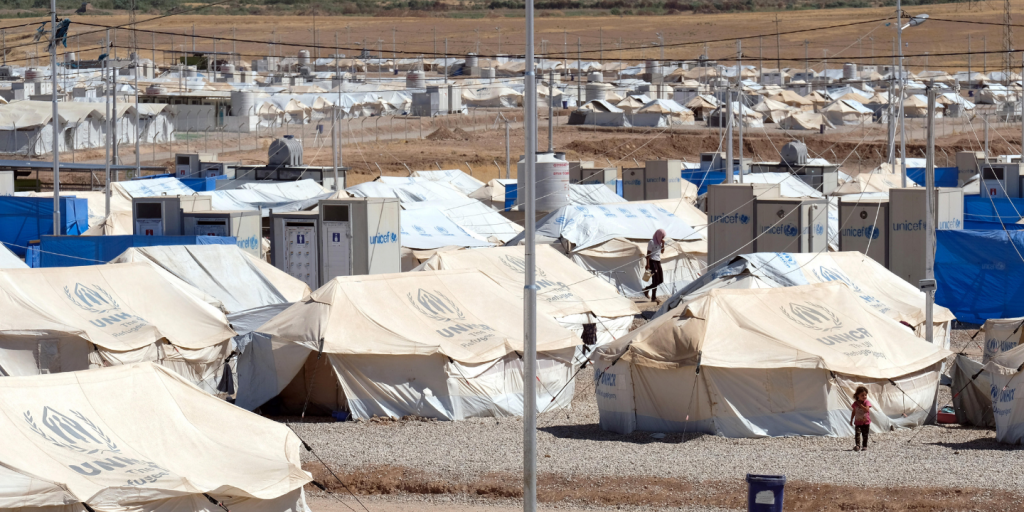
In this blog post, Gates Open Research chats to Shawheen Rezaei (Knight-Hennessy Scholar, at Stanford School of Medicine) about his recent Research Article which explores the practical needs and considerations for refugees and other forcibly displaced persons with neurological disorders.
First, let’s meet the author!
Shawheen Rezaei is currently pursuing an MD at Stanford School of Medicine as a Knight-Hennessy Scholar. He graduated Phi Beta Kappa (Senior 48) from Harvard with an AB in economics and AM in Middle Eastern studies. He also received an MPhil in international development from Cambridge as a Harvard-UK Scholar. He worked on development projects with Grameen Bank in Bangladesh, the United Nations in Egypt, and the World Bank in Washington, D.C. and Sudan. He also worked in global health research at the Massachusetts General Hospital (MGH), where he served on the Leadership Council of the MGH Asylum Clinic. Shawheen was a John Harvard Scholar and an Ibrahim Leadership and Dialogue Scholar.
Hi Shawheen, how did this study come to fruition?
There are more than 70 million forcibly displaced people worldwide (individuals fleeing their homes due to persecution, war or violence, but who still remain within their country’s border), including refugees, internally displaced persons, and asylum seekers. Though many studies have documented the healthcare needs of displaced people, we saw a gap in the identification of concrete neurological interventions for this population. In light of increases in displacement occurring in the past several years, we decided to form a global collaboration to evaluate and prioritize these neurological interventions, with the aim of improving the quality-of-care displaced people receive.
What did you find?
In this study, we adopted a modified Delphi Method approach to arrive at a consensus list of the top priority neurological interventions for refugees and other displaced people. The Delphi Method is an iterative process of surveying and group discussions to reach a collective decision among a panel of experts. We used this methodology to prepare our findings. The study team included nine physician experts from across the globe with experience treating displaced people. The highest ranking tests and treatments agreed upon by the team included: computerized tomography scans, magnetic resonance imaging scans, levetiracetam, acetylsalicylic acid, carbamazepine, paracetamol, sodium valproate, basic blood tests, steroids and anti-tuberculous medication. Contextual considerations were also identified and prioritized, with economic and political considerations identified as influencing neurological treatment.
Did you face any challenges throughout your study?
We were very lucky that the study team was able to collaborate effectively on this project despite the challenges of meeting virtually from a variety of time zones and time constraints due to the demands of the COVID-19 pandemic on physicians.
What impact do you hope your findings will have?
We hope that the findings of this study can help neurologists care for the unique medical needs of displaced people, and we also envision that this study could guide investment and international health policy surrounding the neurological care of this population.
Why did you choose to publish your research openly with Gates Open Research?
We chose to publish with Gates Open Research given its emphasis on collaborative approaches to research, which resonated greatly with the aims of our study. Gates Open Research’s rapid publication model and transparent peer-review process facilitate streamlined and effective collaboration. We were able to share our findings quickly and incorporate feedback from reviewers, which strengthened the quality and impact of our work.
What’s next for you in this area of study?
The publication of this study is a step in the direction of improving neurological care for displaced people. We intend to carry forward the momentum developed from this collaborative endeavor to engage policymakers and key stakeholders in enhancing access to care for this population.
Read the full Research Article today on Gates Open Research to dive deeper into Shawheen Rezaei’s study and findings. You can stay up to date with his latest work and insights by following him on Twitter.


COMMENTS