The COVID-19 Collection: accelerating scientific discovery with open research
| 30 November, 2021 | Abbie Nicholson |
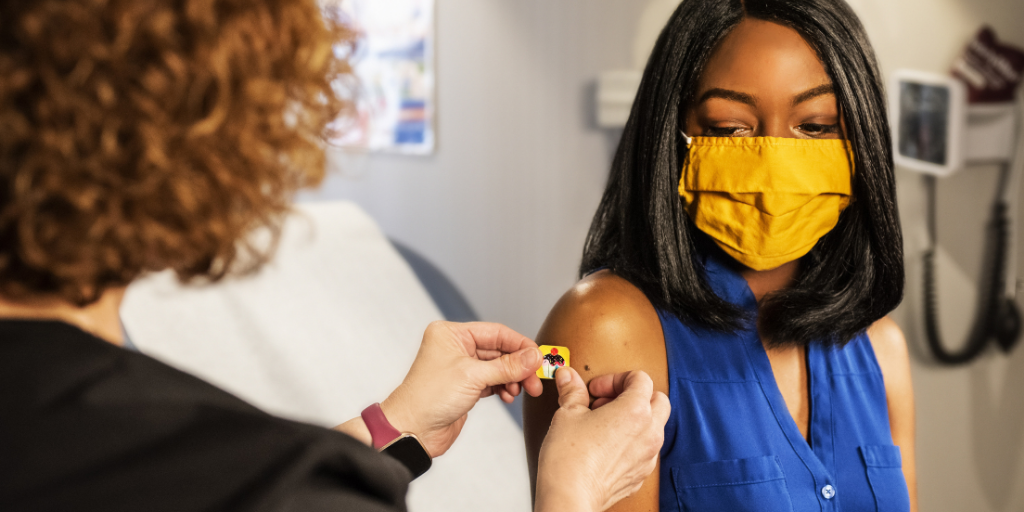
In this blog post, we reflect on the role of COVID-19 research in furthering arguments for open science and showcase just some of the research from the Gates Open Research Coronavirus (COVID-19) Collection.
The race to understand COVID-19 and develop effective treatment and prevention measures has drawn significant attention to the value of open research. The open research (or open science) movement advocates for transparency, openness, and collaboration across the entire research cycle. Fundamentally, open research principles embody the idea that when we disseminate research as widely as possible, it can achieve its greatest potential impact.
The shift to open research
The urgency associated with the COVID-19 pandemic has led to significant uptake in publishing openly. The volume of research related to COVID-19 has been unprecedented.
COVID-19 as a catalyst for change
Arguably, the pandemic has not only intensified efforts to adopt open research practices but has brought discussions around doing so into the mainstream. Governments and funders globally have called for rapid and open sharing of research data, articles, and other research outputs. What’s more, researchers, policymakers, and the public alike have witnessed firsthand the real-world impact of opening access to research and its associated data.
The Coronavirus (COVID-19) Collection
In response to the COVID-19 pandemic, Gates Open Research launched the Coronavirus (COVID-19) Collection to provide a platform for rapid dissemination of the latest Gates-funded research.
You might be wondering what safeguards are in place to ensure rapidly-published research is held to the highest scientific standards. Firstly, all articles published on Gates Open Research must pass a series of initial editorial checks and undergo rigorous, open peer review following publication. You can view the peer review status of every article alongside its title. Furthermore, we also publish reviewer reports and identities on the article page. This is to ensure that the scientific process is diligent, reliable, and transparent. This is especially important given in the context of COVID-19 when research is so quickly being translated from paper to practice.
Take a look at just some of the research outputs published as part of the collection:
COVID-19: Identifying countries with indicators of success in responding to the outbreak
This Research Article examines different countries’ responses to the pandemic and their relative success. The authors look to explain key factors that might be critical to that success and draw important lessons for policymakers. Success was judged on detection rates, containment, and treatment of cases and outcomes.
The relative incidence of COVID-19 in healthcare workers versus non-healthcare workers: evidence from a web-based survey of Facebook users in the United States
This Research Article presents an analysis of data collected from United States’ respondents to a Facebook survey and focuses on a comparison of the rate of COVID-19 in health care workers compared to workers in other sectors.
COVID-19 vaccine delivery: an opportunity to set up systems for the future
In this Open Letter, the authors highlight the lack of effective systems to record vaccinations. The authors propose the use of biometric digital identifiers to identify vaccinated individuals and monitor the progress of vaccine administration.
The impact of the COVID-19 crisis on meeting needs for family planning: a global scenario by contraceptive methods used
This Research Note analyzes differences in contraceptive methods across Sustainable Development Goal regions to present an estimate of the potential impact of COVID-19 on global contraceptive use.
Younger ages at risk of Covid-19 mortality in communities of color
This Data Note examines the distribution of deaths by age in the UK and in the US. It reveals that in these countries, minority communities have increased mortality among younger age groups. As such, the authors suggest there is also significant potential for increased COVID-19 mortality among younger populations in Africa and South Asia.
What next?
What lesson can researchers take away from the COVID-19 pandemic? Embracing open research is more important now than ever when it comes to accelerating scientific discovery. The way in which researchers conduct, share, and store their research is a matter of public interest. Moreover, as open science advocates have argued, maintaining a culture of open research going forward is necessary not only to combat COVID-19 but also to address the big social problems of our time.
Want to discover the latest Gates-funded COVID-19 research? Explore the Coronavirus (COVID-19) Collection today.


COMMENTS