A dedicated hub for the World Mosquito Program
| 2 April, 2020 | Alanna Orpen |
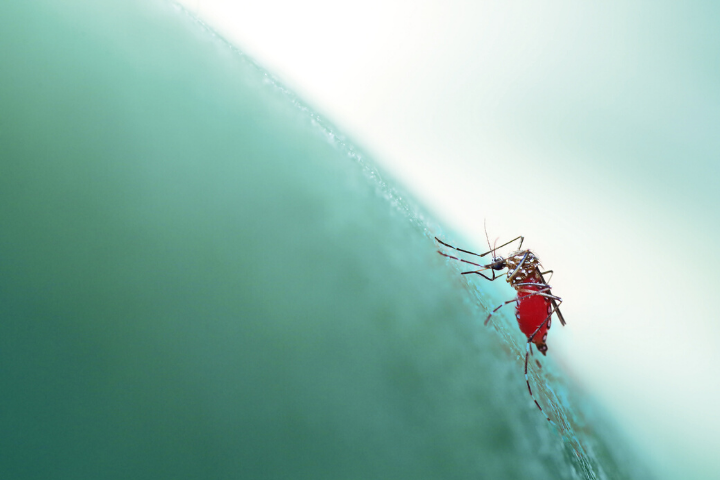
The World Mosquito Program (WMP) gateway will provide centralised access to content on Gates Open Research, hosting all article types, to help the program’s mission to reduce the threat of mosquito-borne diseases.
Mosquitoes are considered one of the deadliest animals in the world, causing millions of deaths every year. The WMP are committed to improving health conditions and strengthening the capacity of local communities around the world, to help reduce the threat of mosquito-borne diseases.
Their new gateway on Gates Open Research is there to support WMP in their goal to combat mosquito borne disease and make a difference to millions of lives. By hosting all articles related to the World Mosquito Program in one place, the gateway will be a hub for program researchers to publish all article types, including research, method articles, data notes and study protocols, for free.
Eliminating disease
The World Mosquito Program (WMP) uses safe and natural bacteria, called Wolbachia, to prevent the transmission of mosquito-borne viral diseases such as dengue, Zika, chikungunya and yellow fever. Since releasing the first Wolbachia mosquitoes in 2011, evidence from international pilot studies shows that we can use Wolbachia more broadly to decrease the risk of Aedes aegypti mosquitoes transmitting viruses.
Bruno Col, Communications and Engagement Director at The World Mosquito Program explains why the initiative created the gateway: “The World Mosquito Program (WMP) wishes to leverage the Gates Open Research portal to regularly and conveniently publish our results, supported by a strong peer review.”
“We have demonstrated that our Wolbachia method is a safe and effective way to help prevent the spread of diseases across entire cities and regions, and we continue to rapidly expand our operations by building partnerships with local governments and communities around the world. We’ve seen that people are embracing the approach, with our projects operating in 12 countries, enabling our Wolbachia-carrying mosquitoes to reach 4.4 million people, as of June 2019.”
Moving beyond mosquito-control
“Here at WMP, we think we could be do much more, in terms of engagement, to position WMP as a leader in global health, development, and innovation domains,” says Bruno. “In the next few years, we feel that not only is there opportunity for WMP to be more visible in the mosquito-control and health fields, but also, that we should expand our narrative beyond these categories to include adjacent dialogues and communities around issues like climate change, gender equity, technological innovation, and economic development.”
Assessing the situation
The WMP want people to be in the best position to assess whether approaches and technologies are appropriate for use in their settings, so a gateway on an open research platform will provide open and easy access for all to help achieve this.
Bruno says, “The Gateway will provide centralized, public access to WMP’s Gates Open Research peer-reviewed articles, significant presentations and other materials. Researchers, public health workers and policy makers from disease endemic countries will therefore have greater access to peer reviewed scientific results and data, along with protocols and procedures.”
Striving for dengue-free areas
In areas where Wolbachia is self-sustaining, virus transmission is greatly reduced. As research by Professor Scott O’Neil, WMP Director, and a team of researchers from Monash University, shows that Northern Queensland, Australia, is essentially dengue-free for the first time since the early 1980s, due to the successful release of Wolbachia mosquitoes.
The team reduced the spread of dengue among local populations, by establishing Wolbachia in mosquito populations and found it could effectively protect people from the local spread of dengue.
The population replacement was achieved over eight years of releasing the mosquitoes, by following careful measures and engaging with communities, businesses and stakeholders.
The Wolbachia mosquitoes breed with wild mosquitoes, increasing the number of Wolbachia-carrying mosquitoes, while reducing their ability to transmit diseases, like dengue, from person to person.
Calling all WMP researchers
We want to encourage all WMP researchers to submit and publish your articles in the new Gateway. See who is on our team of Gateway Advisors and browse through the research, and please submit your articles now.
Gateways on Gates Open Research
Gateways are dedicated spaces for publishing and sharing BMGF-funded research outputs. They are personalized areas on Gates Open Research to collate all related research in one discoverable and shareable domain.
Any foundation division, program team, or foundation-funded institute or project can create a gateway to highlight their research.
There are many benefits to creating a Gateway on Gates Open Research:
- Create a central place to collate and showcase research outputs
- Customize the page to include program images, links to featured content and other resources, explainer videos and content filters
- Rapid publication and sharing of research
- Output level metrics to evaluate impact of all program research
- Allows researchers to get credit for all their work
Gateway set-up is easy and incurs no costs for the gateway owner. If you are interested in setting up a gateway, then please contact info@gatesopenresearch.org.
Watch this space for a Q&A with Professor Scott O’Neil, WMP Director, for a more in-depth discussion about his research and releasing Wolbachia mosquitoes to breed with wild populations, and why this approach should now be considered as a safe and effective way of reducing transmission of disease.


COMMENTS